
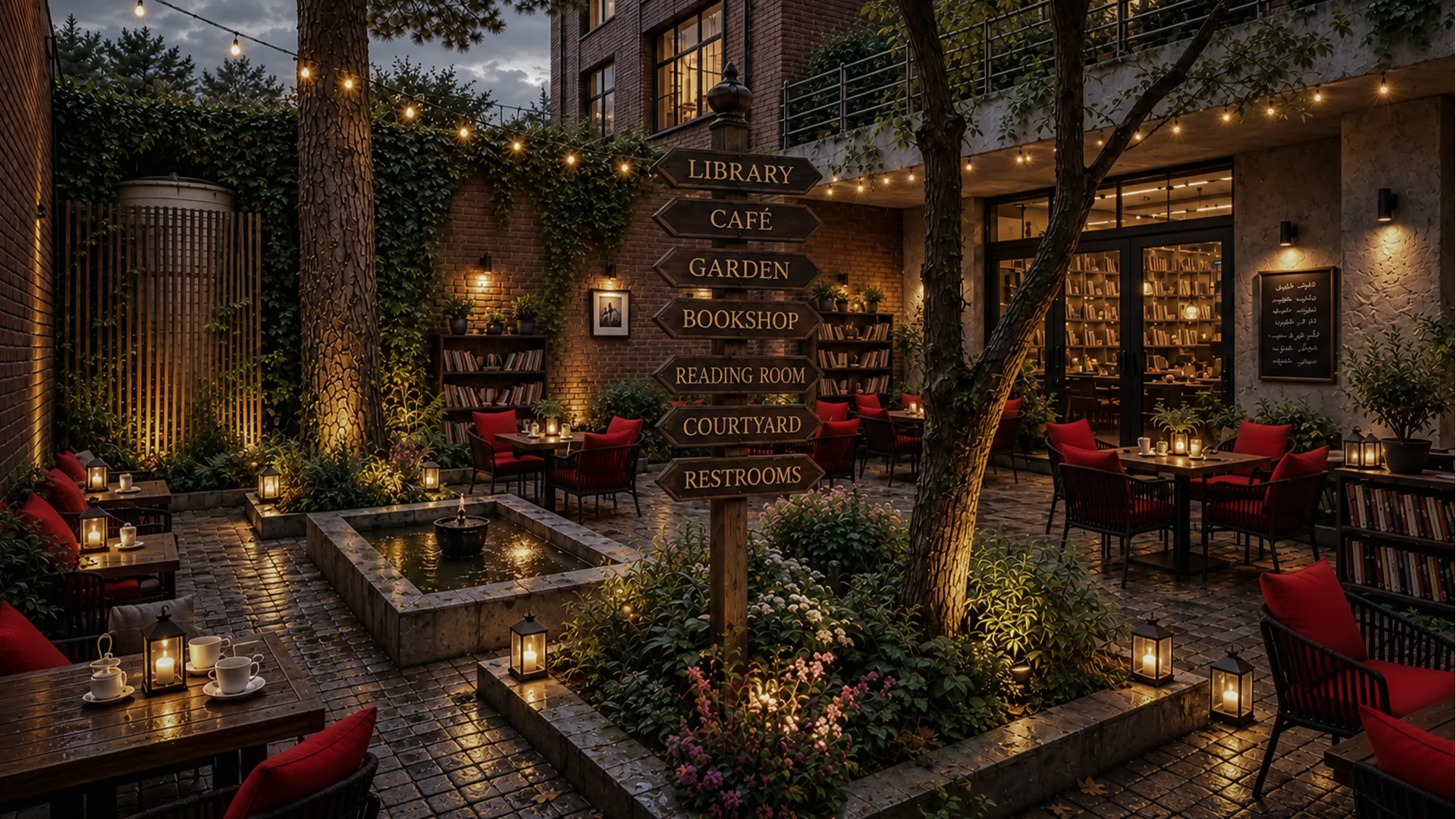
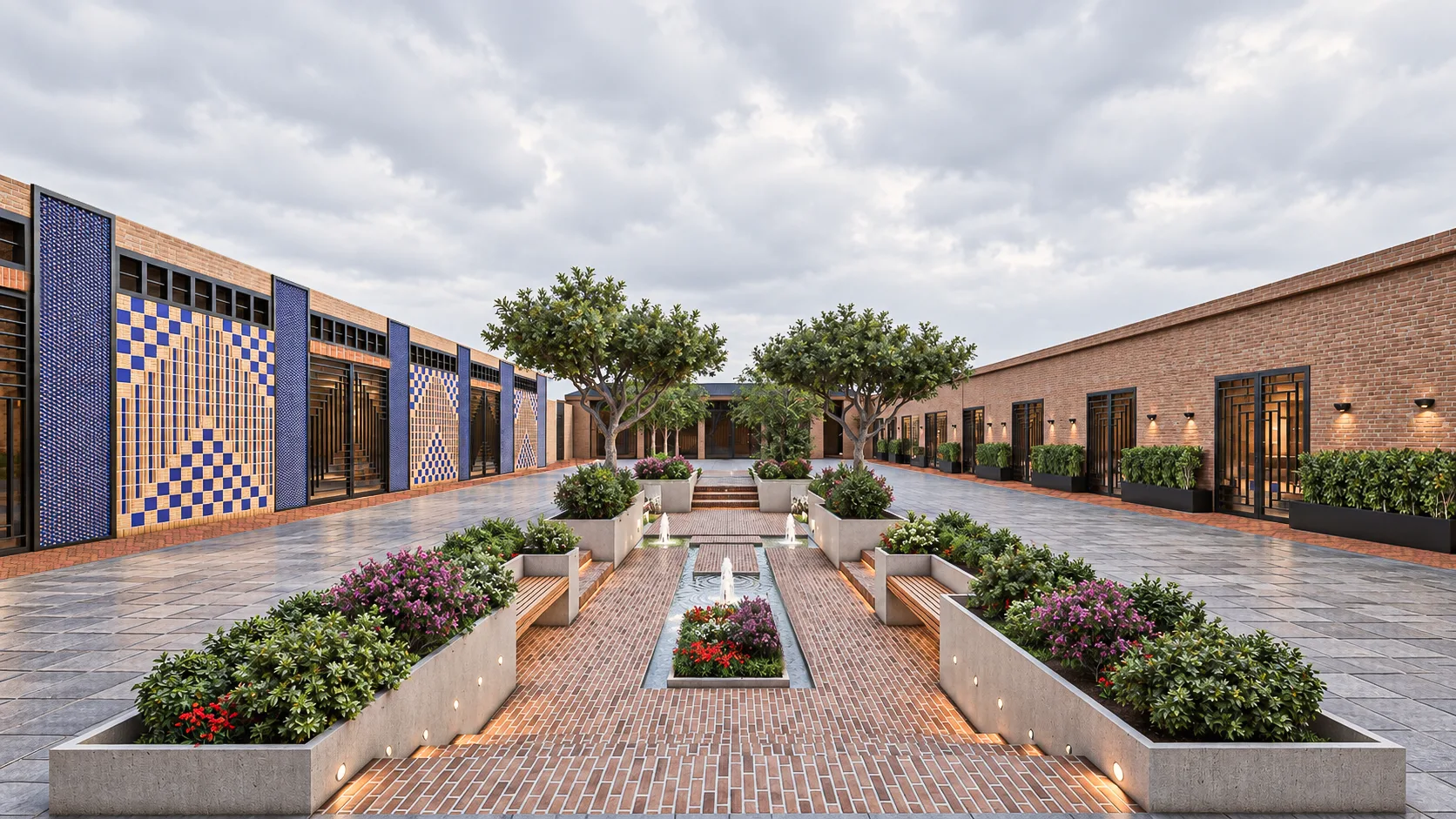
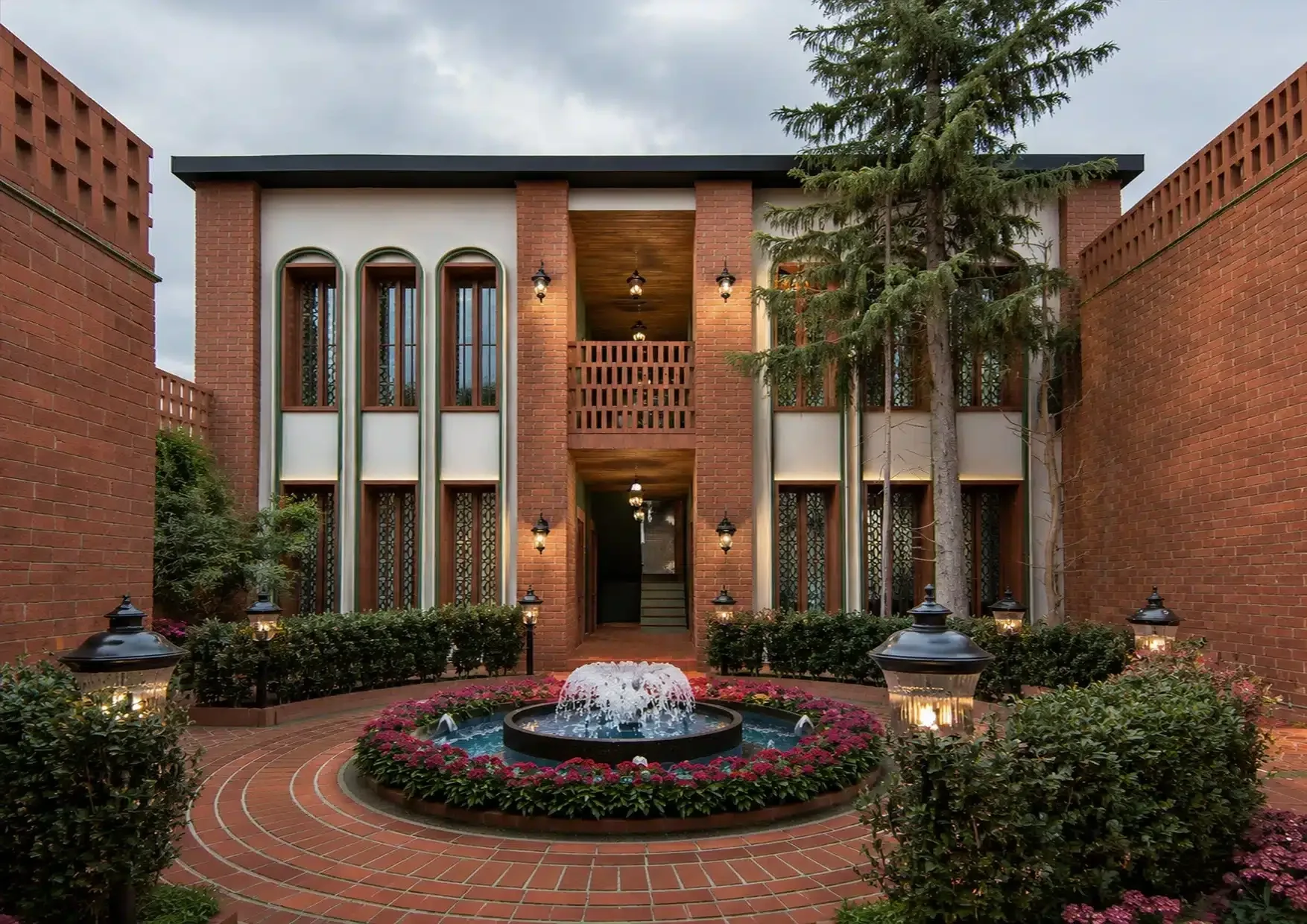
Boutique hotel , Design & Renovation
Panj Rokh
Boutique Hotel
- Location
- Tehran, Kargar st
- Area
- 150m
- Client
- Mr. Soheili
- Design Studio
- Akja
About Project
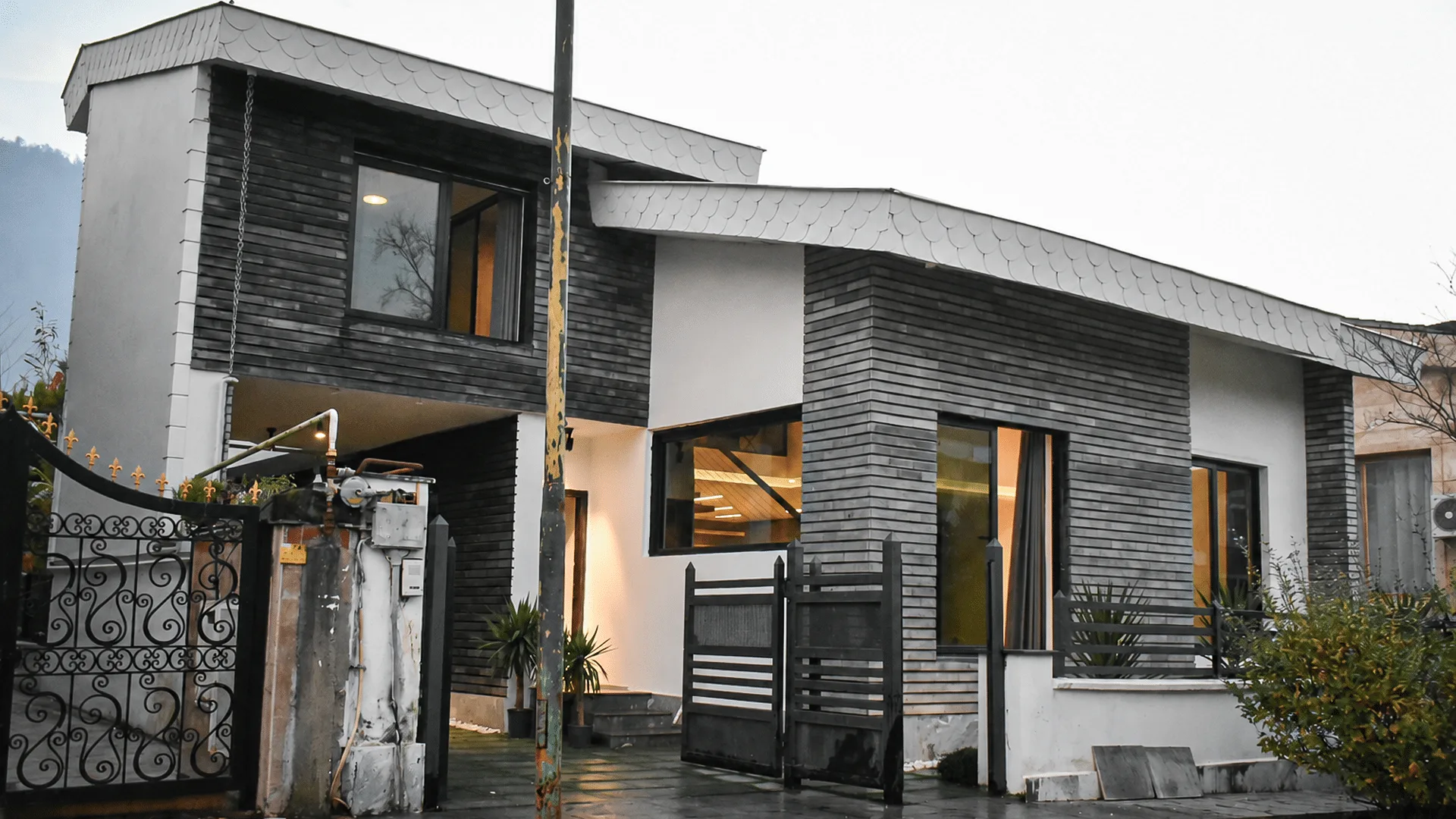
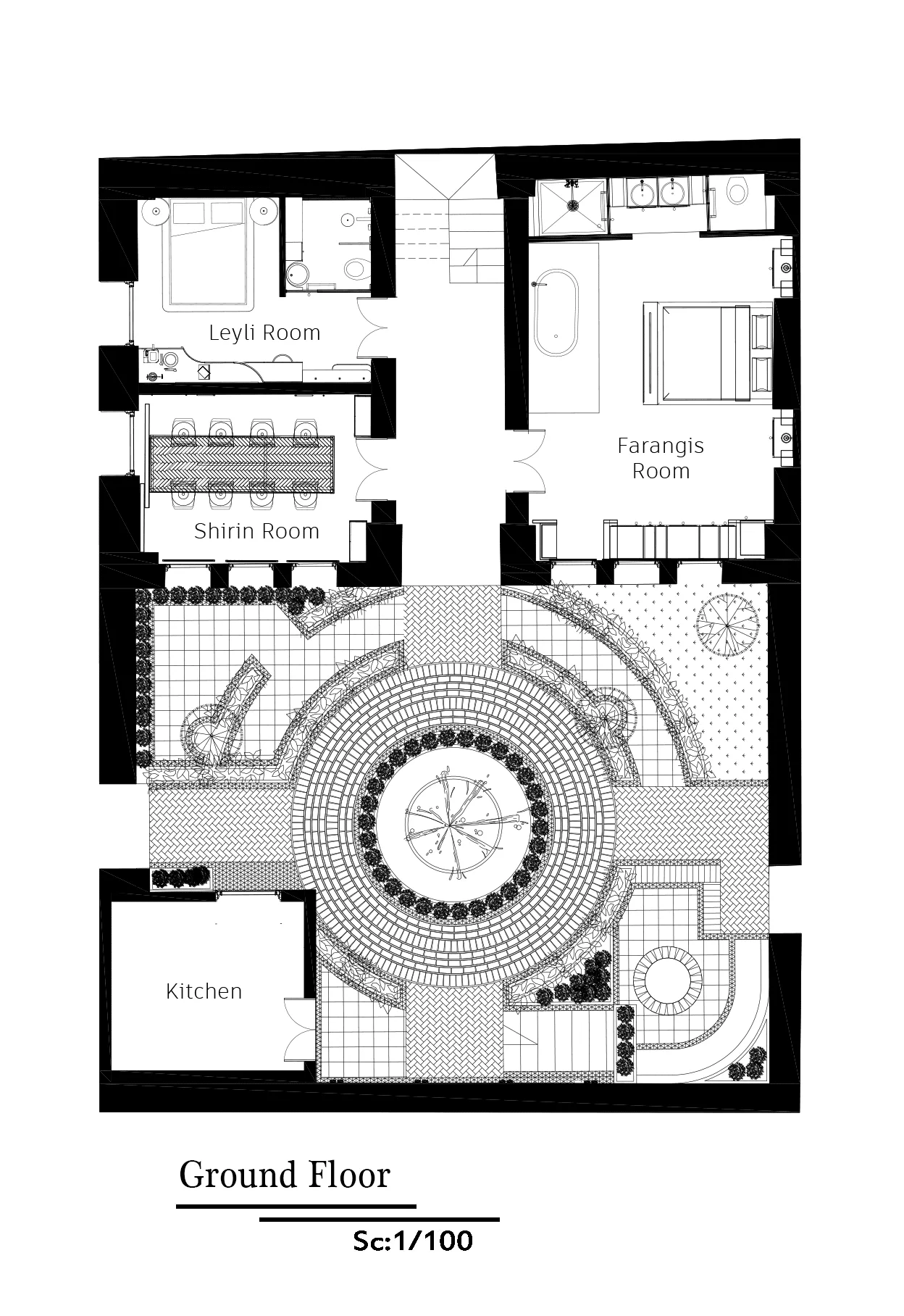
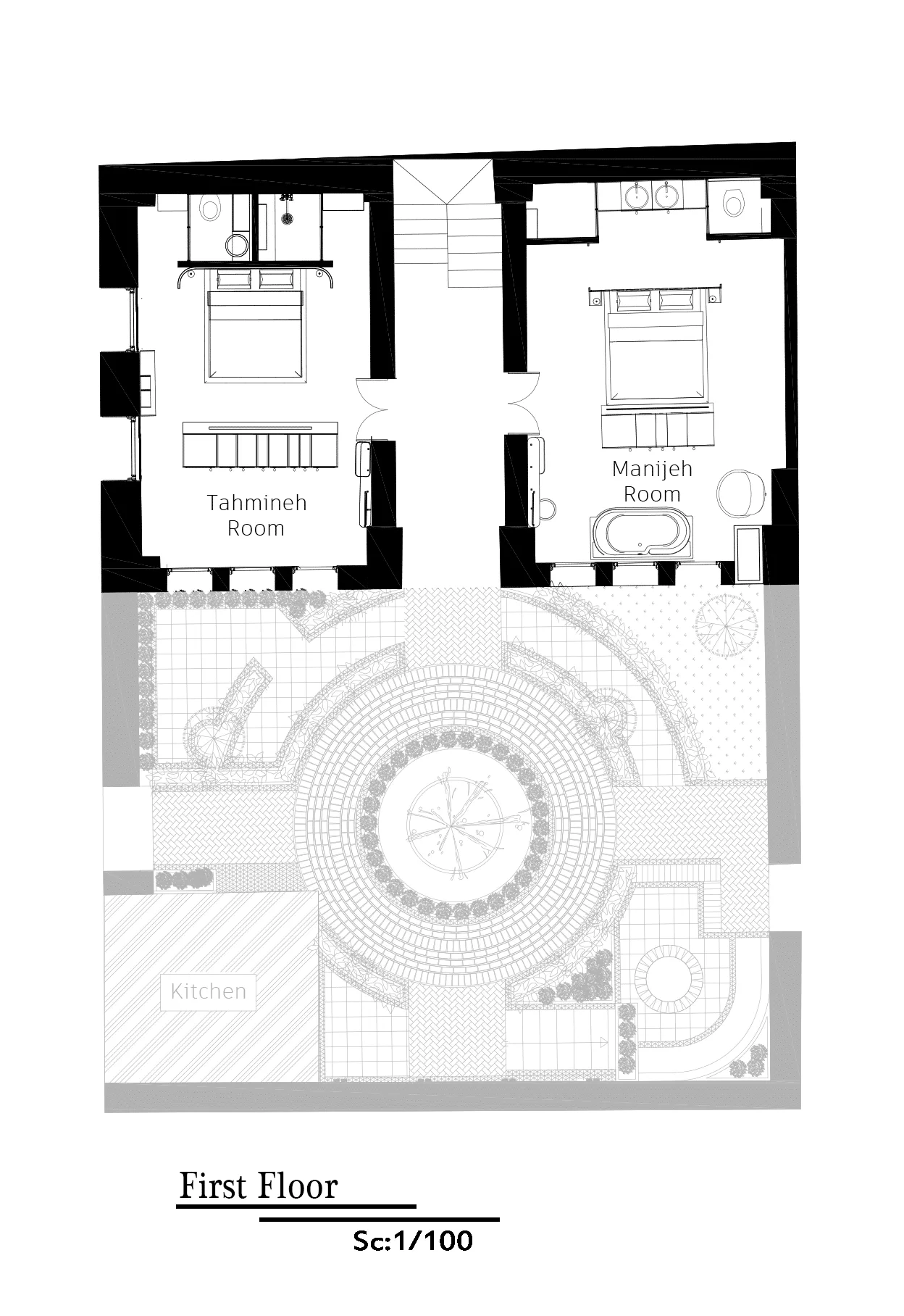
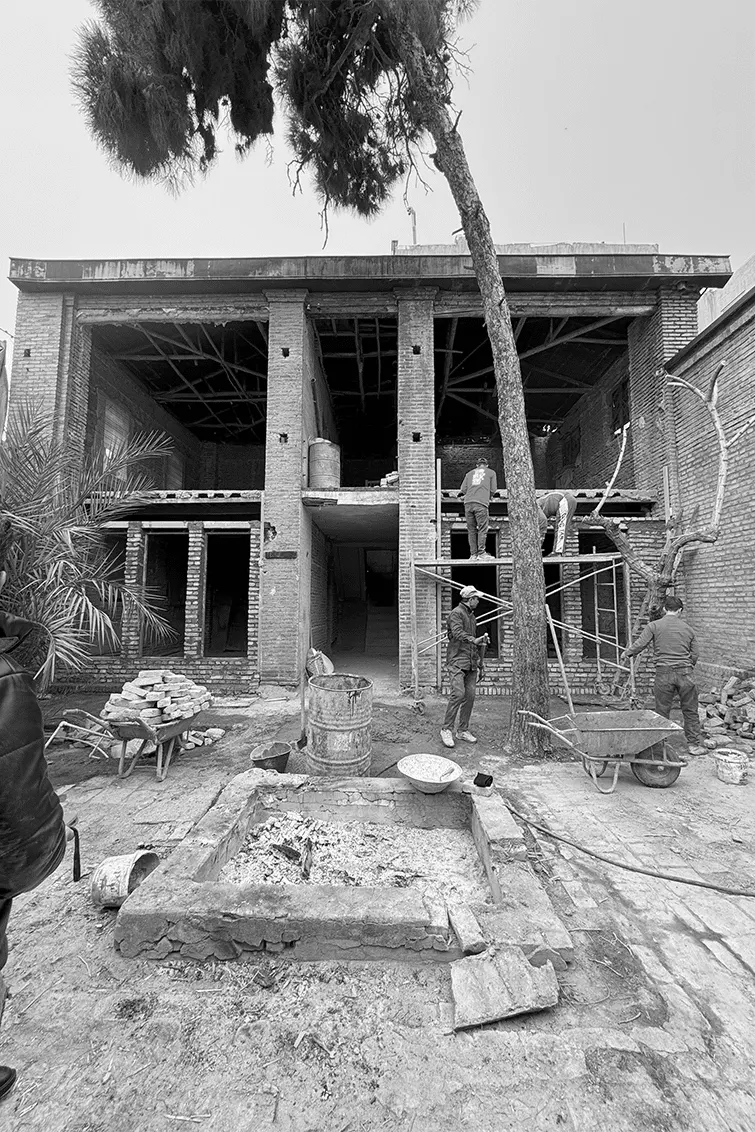
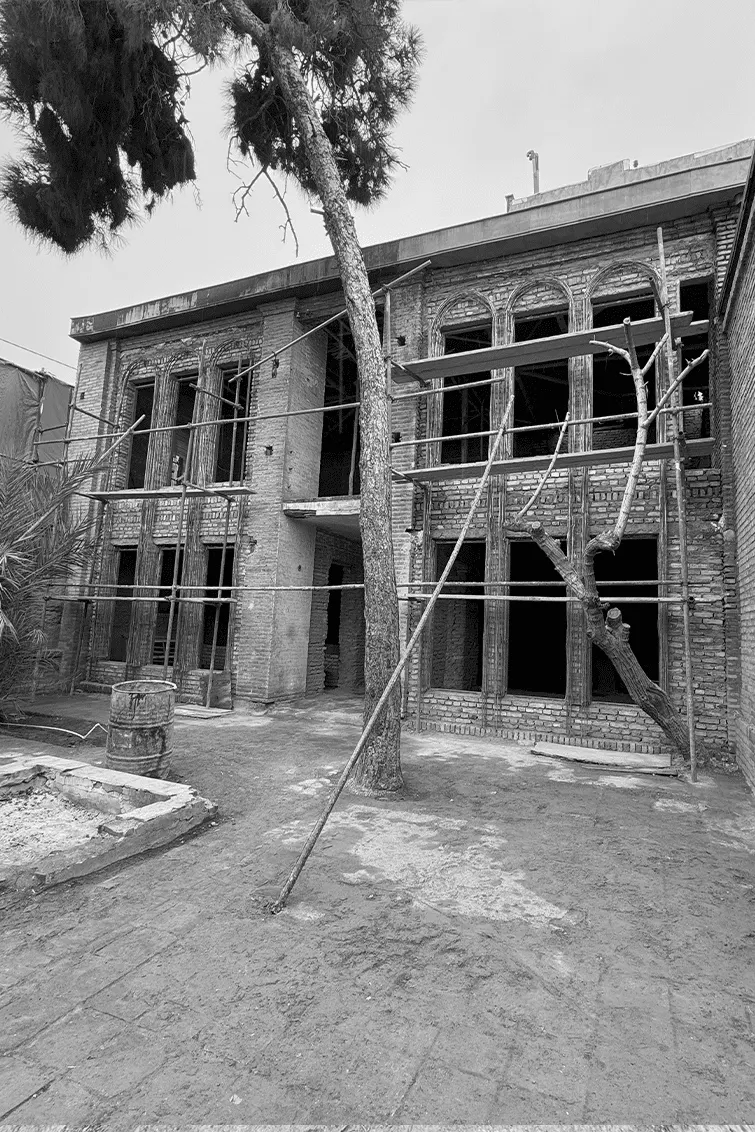
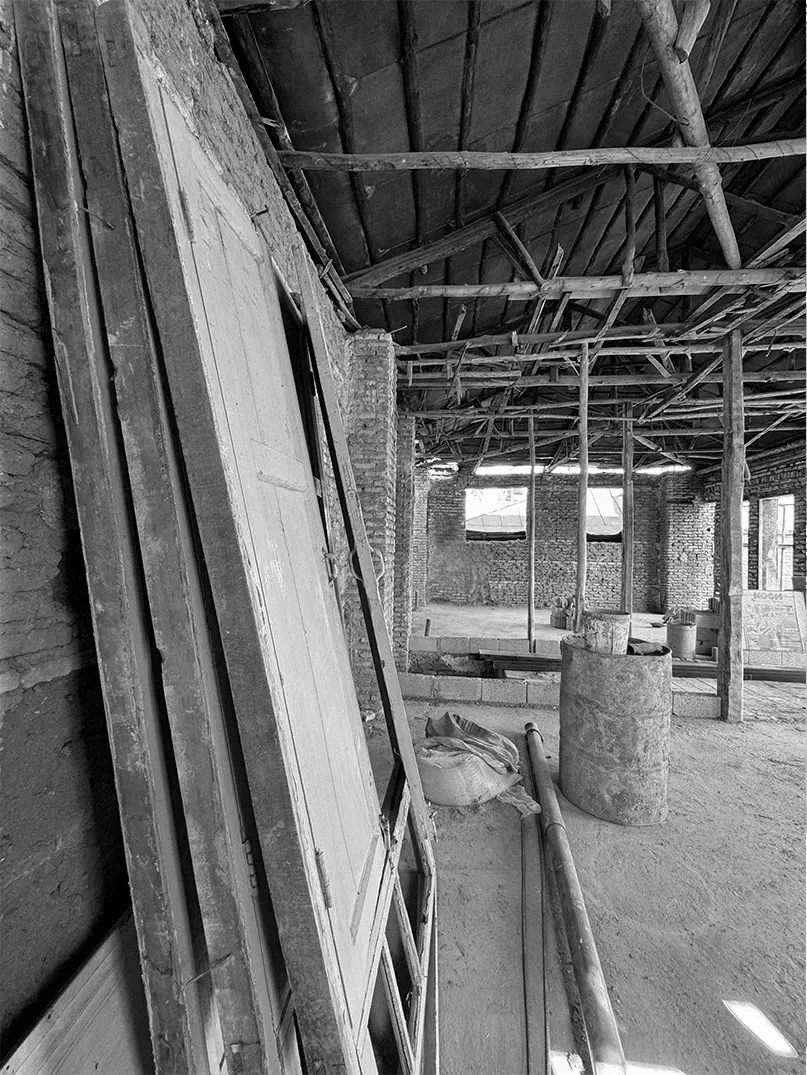
Located on Kargar Street in Tehran, a historic residential house has been transformed into a boutique hotel named “Panj Rookh” (Five Faces). Designed by AKJA Architecture Studio, the project goes beyond restoration, redefining adaptive reuse as a narrative-driven architectural experience.
“Panj Rookh” is not merely a place to stay; it is a spatial narrative where history, mythology, and contemporary experience intersect. The concept is rooted in the idea of five iranian women, five rooms, five independent worlds—women who, within Iranian myth and cultural memory, embody distinct identities, powers, and life stories.
Here, architecture becomes a storytelling medium. Guests are not simply accommodated; they are immersed in living narratives.
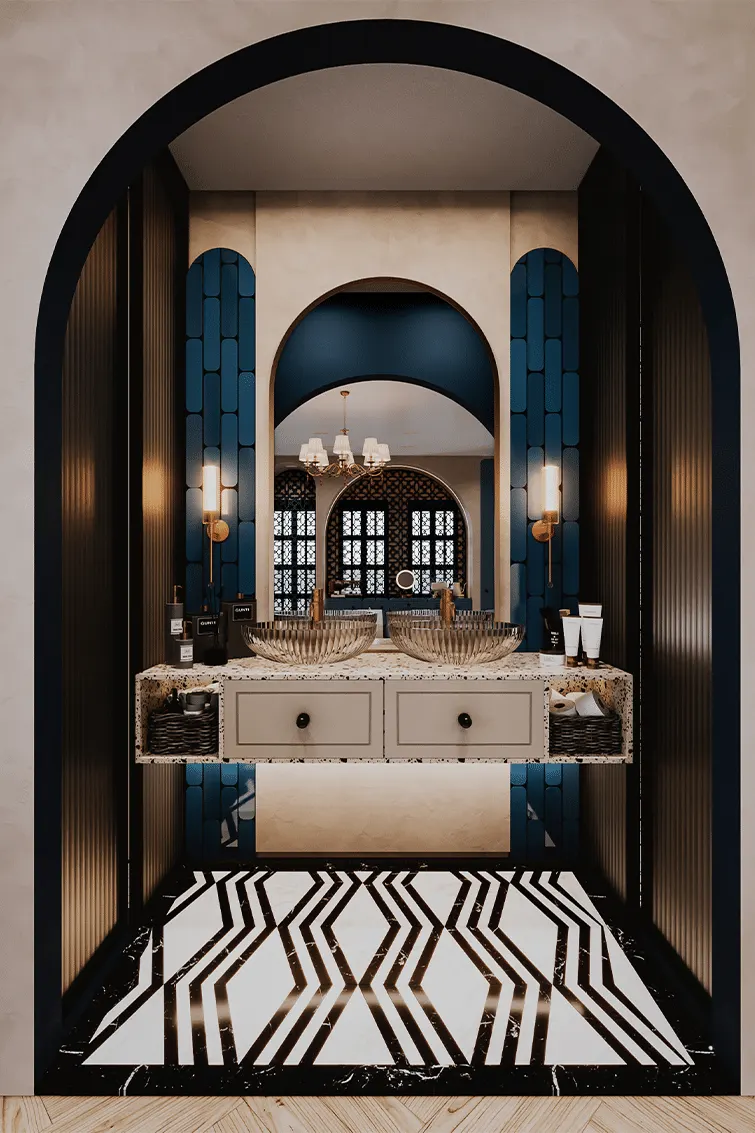
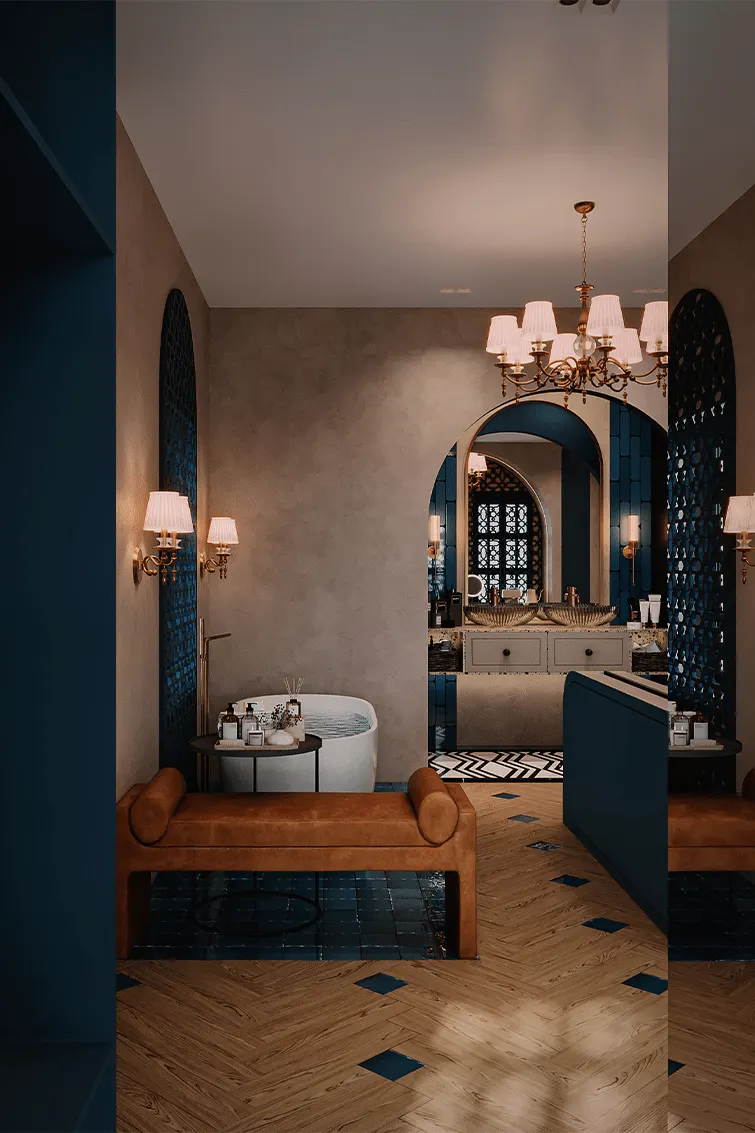
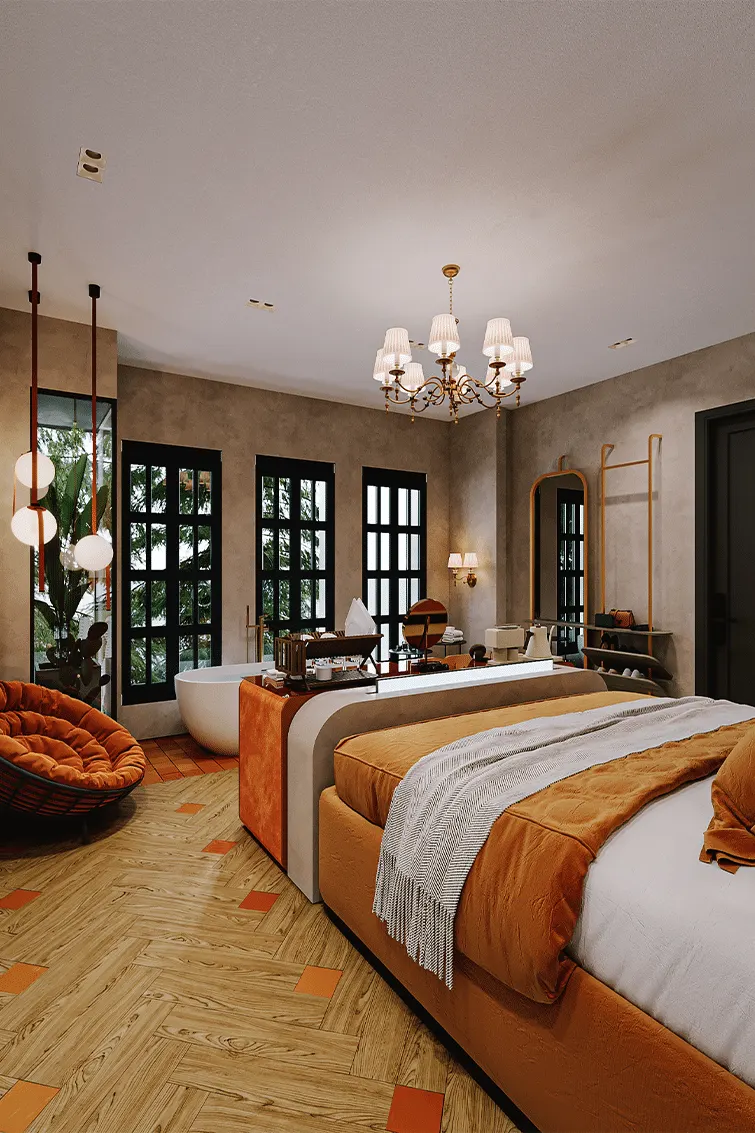
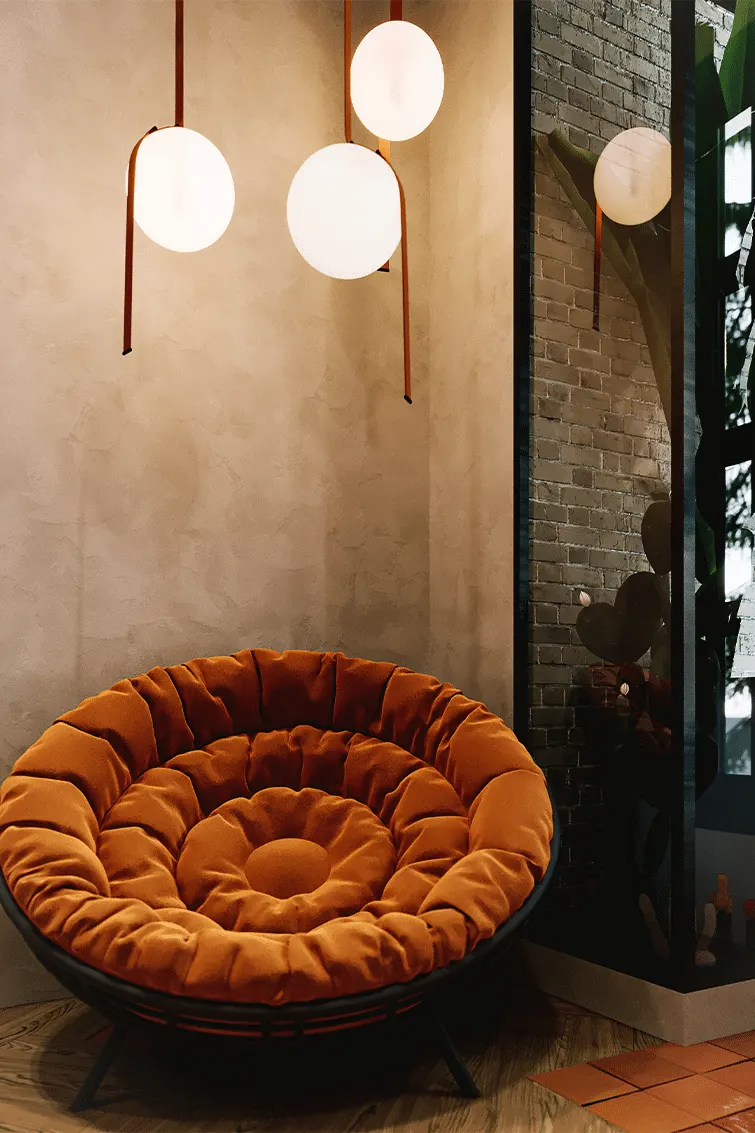
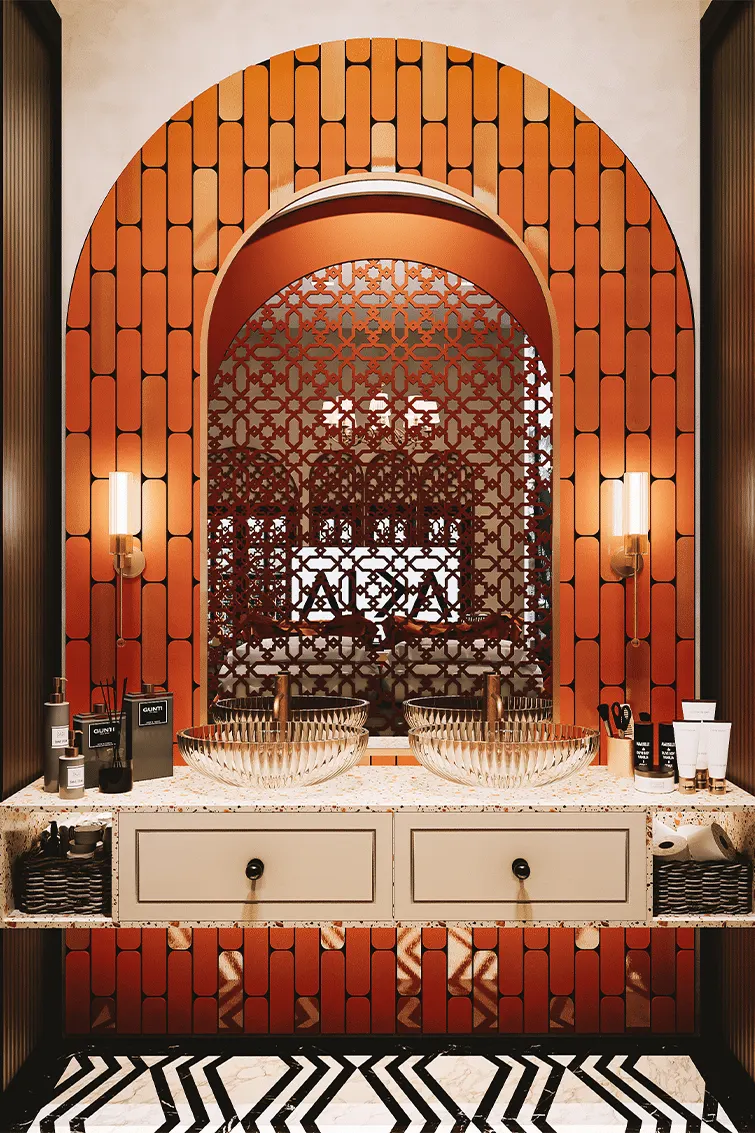
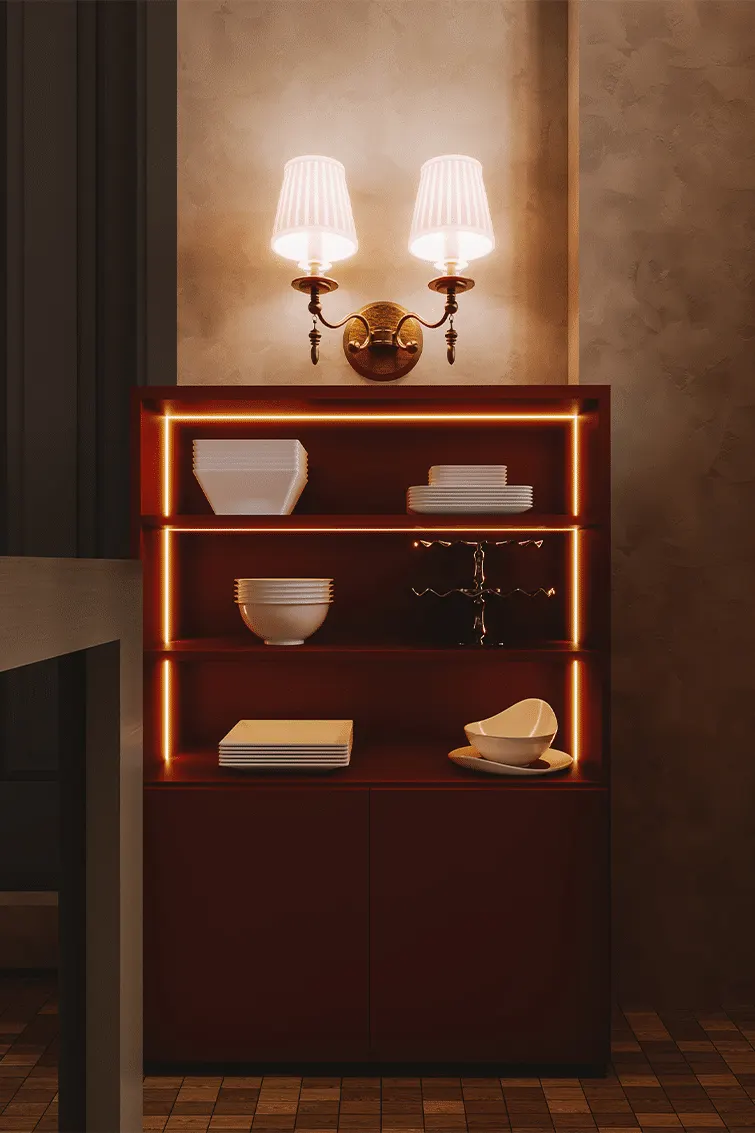
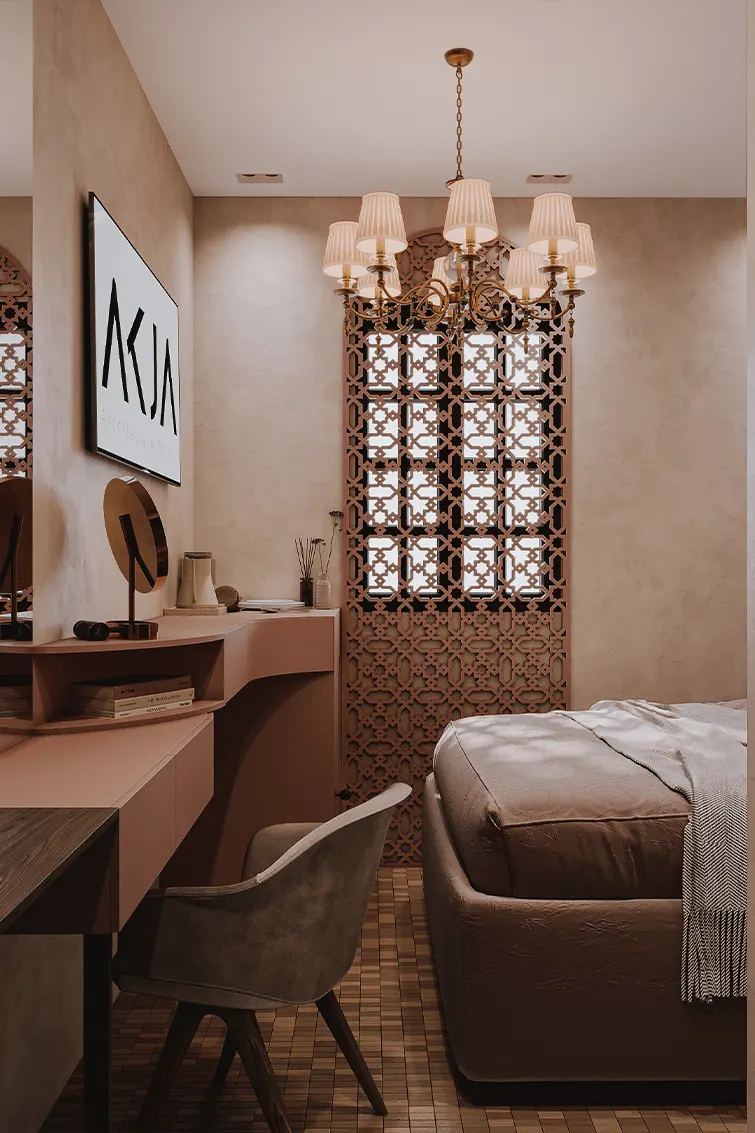
Interior Design
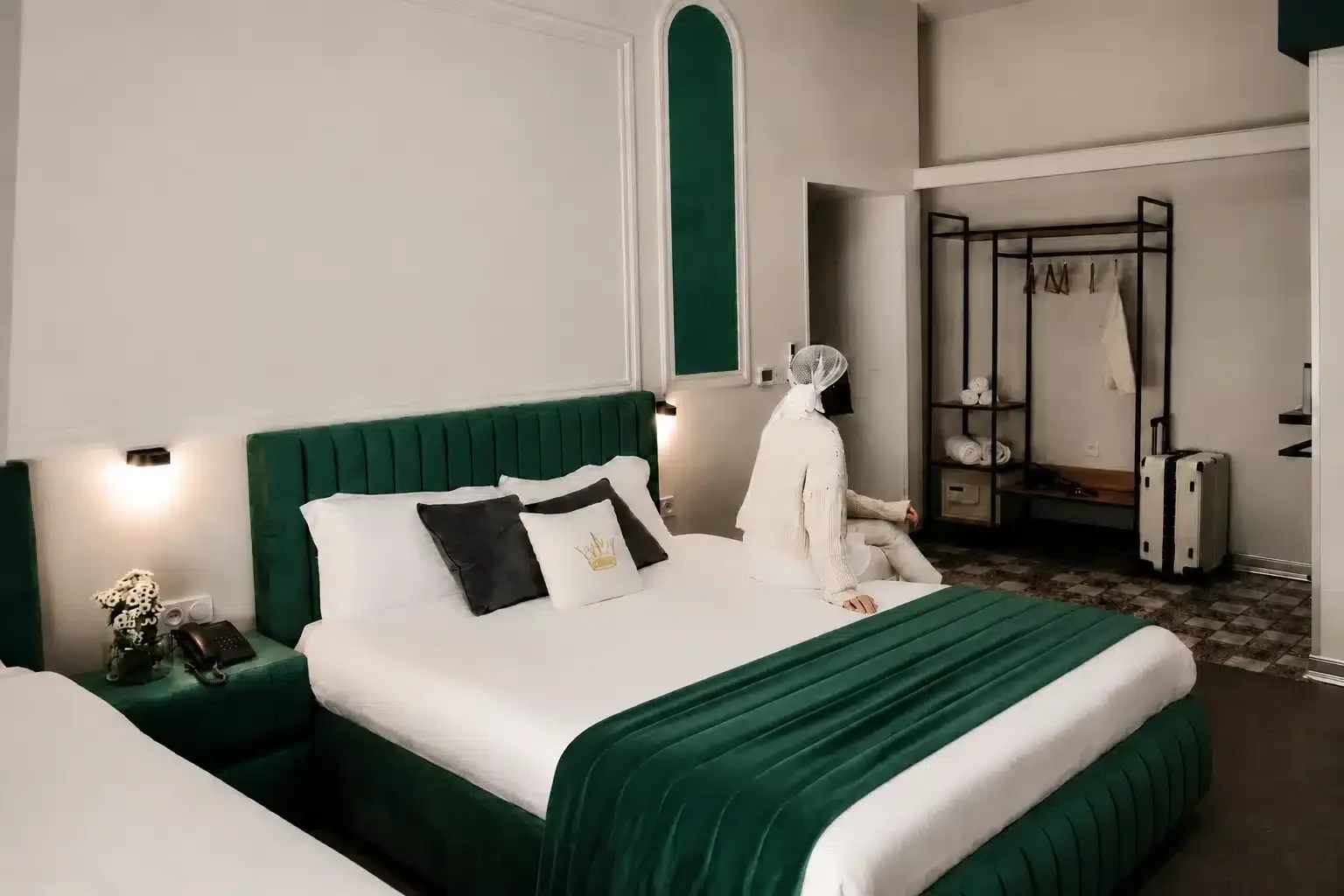
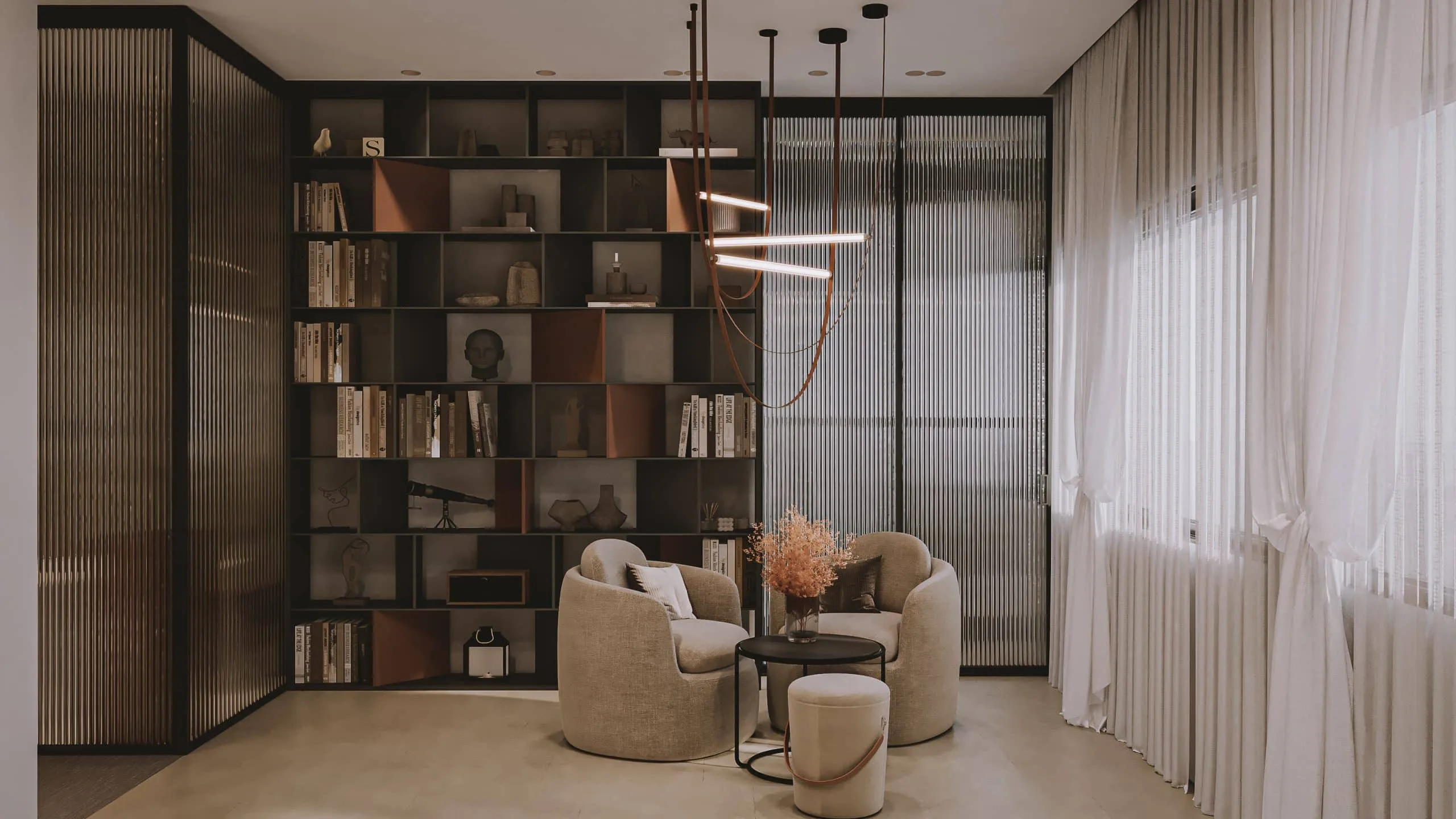
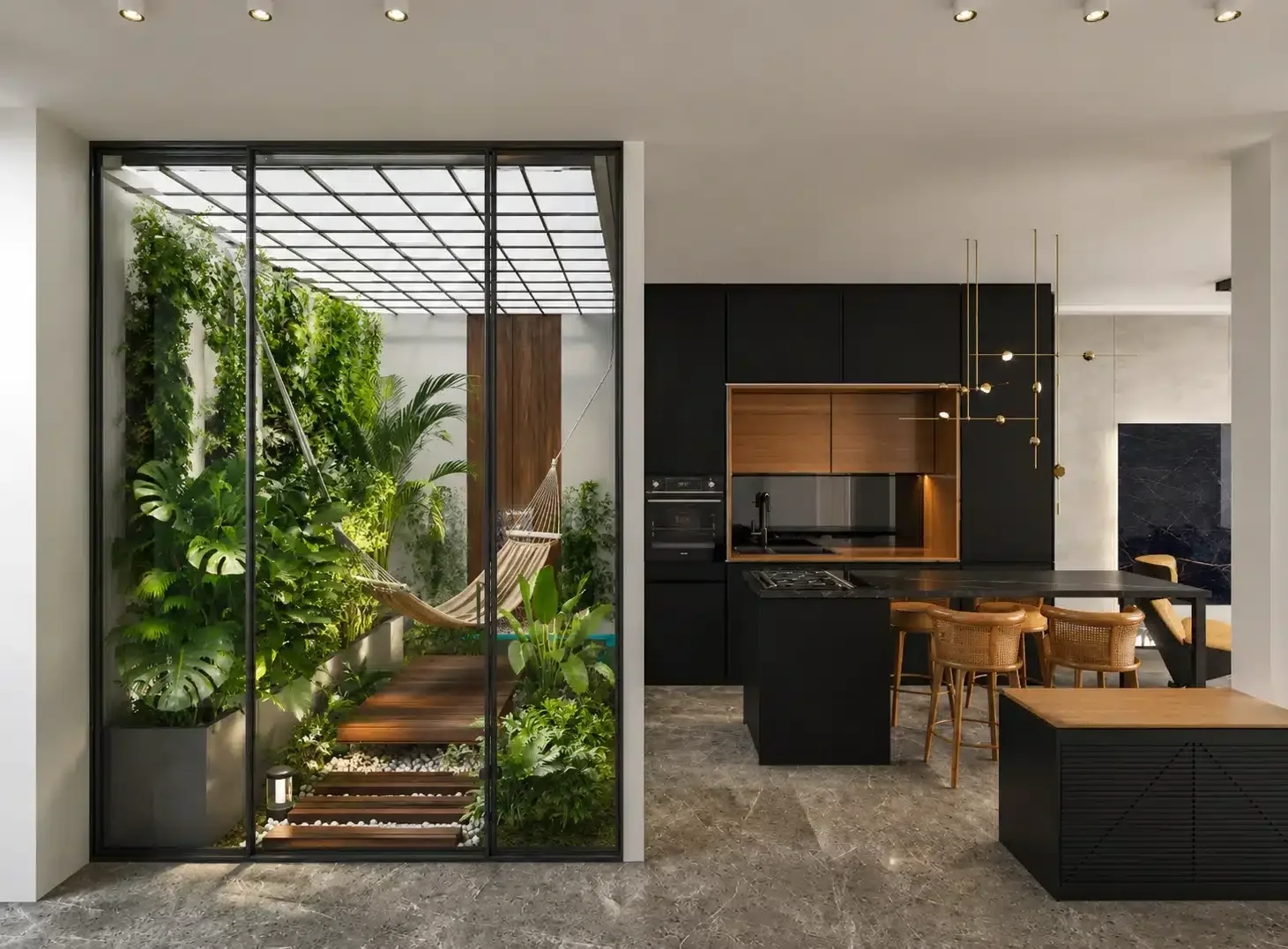
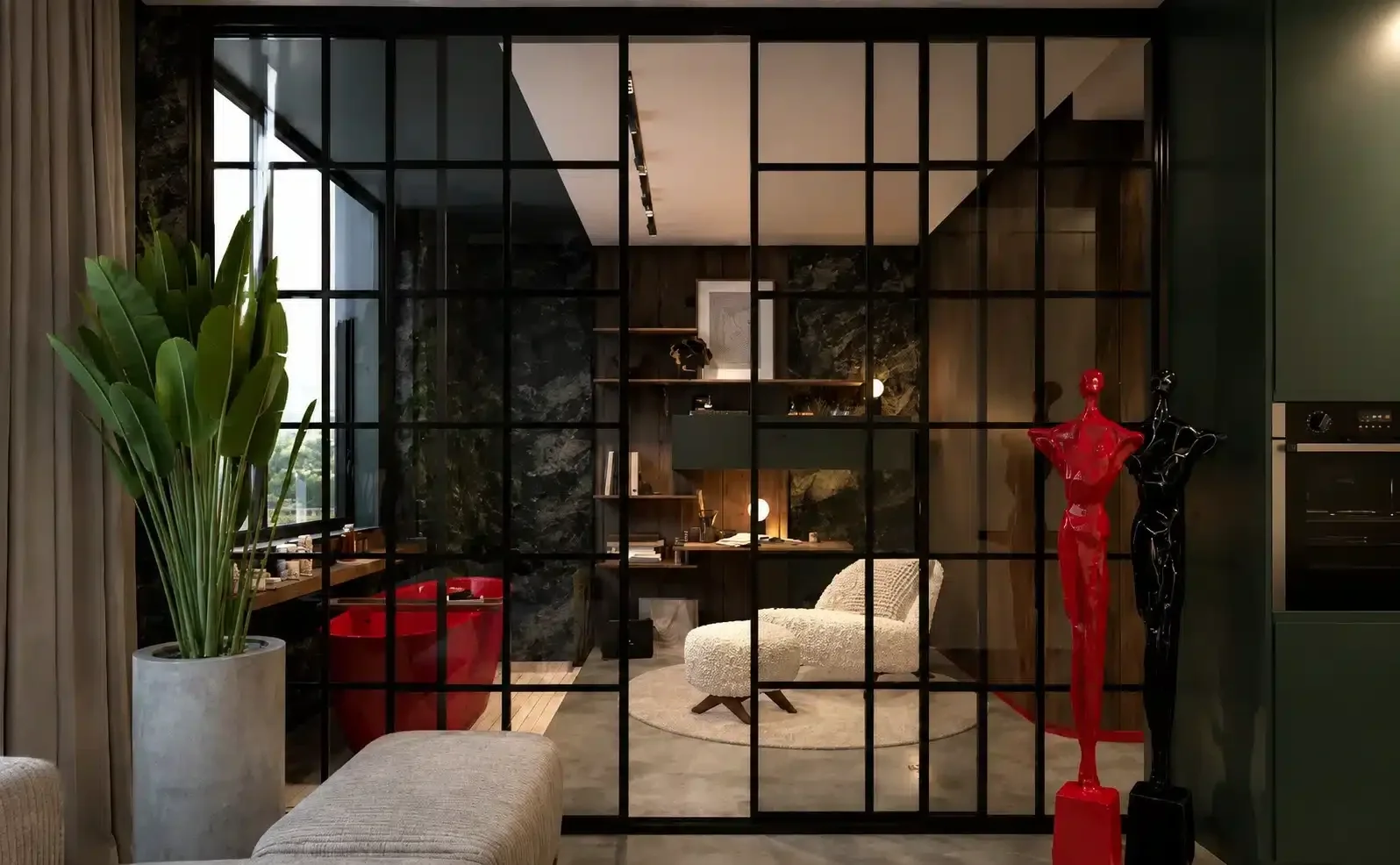
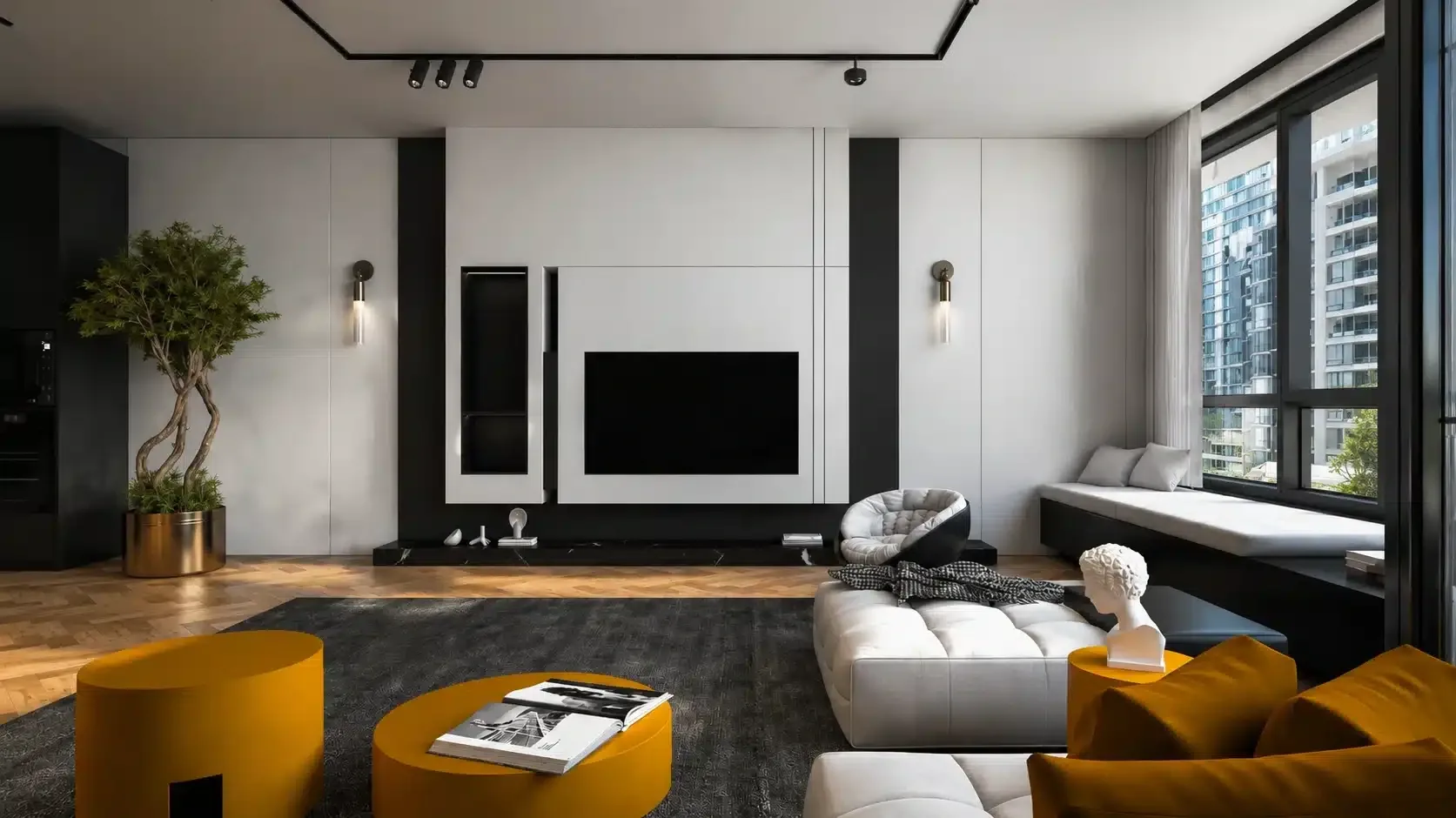
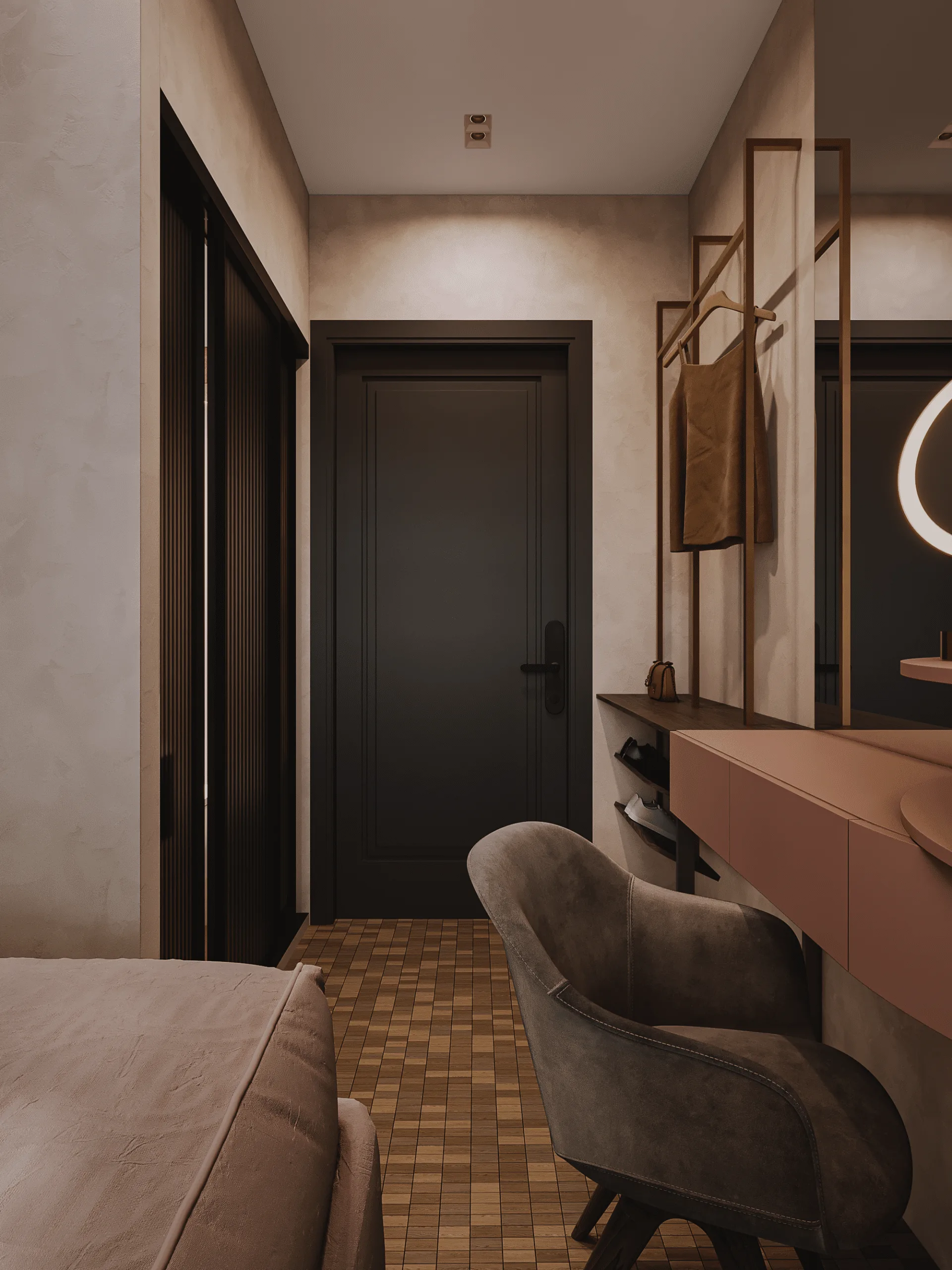
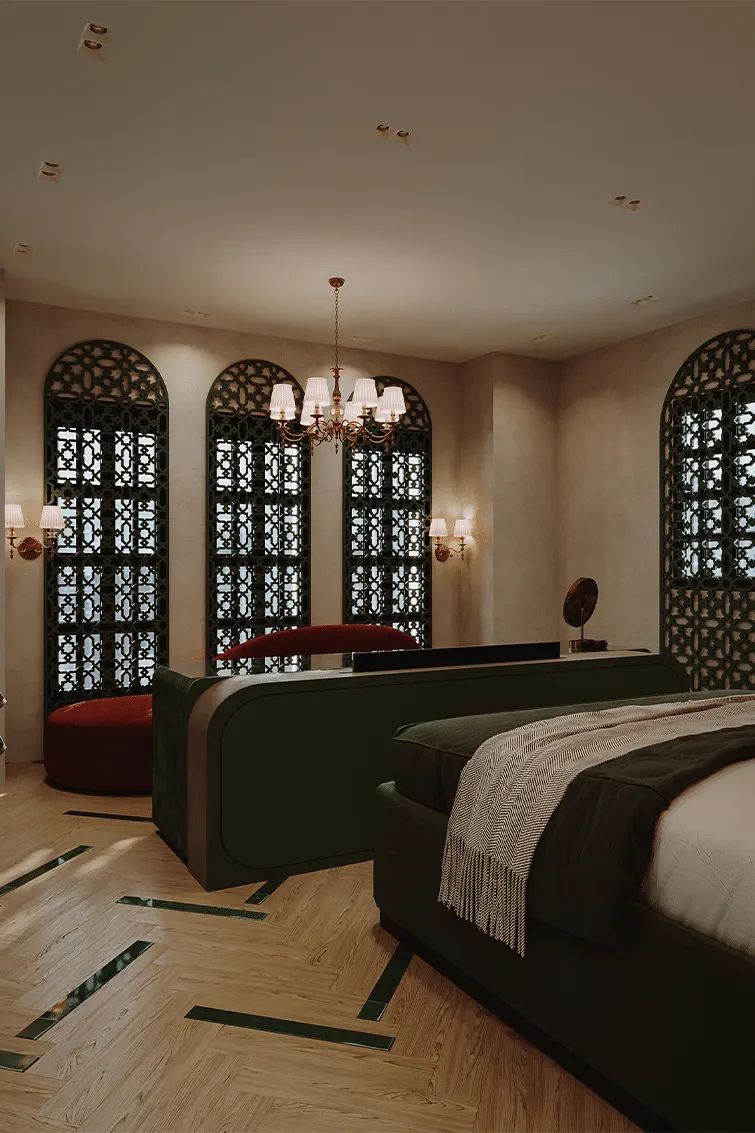
The interior design is based on the concept of “living within a narrative.” Each room is designed as an autonomous world, reflecting the spirit and character of one of five mythological or historical Iranian women.
Rather than following conventional hospitality templates, the spatial organization is driven by emotional and narrative experience. Light, color, texture, and spatial proportions are uniquely defined in each room to create a distinct sense of presence and atmosphere.
Design detail
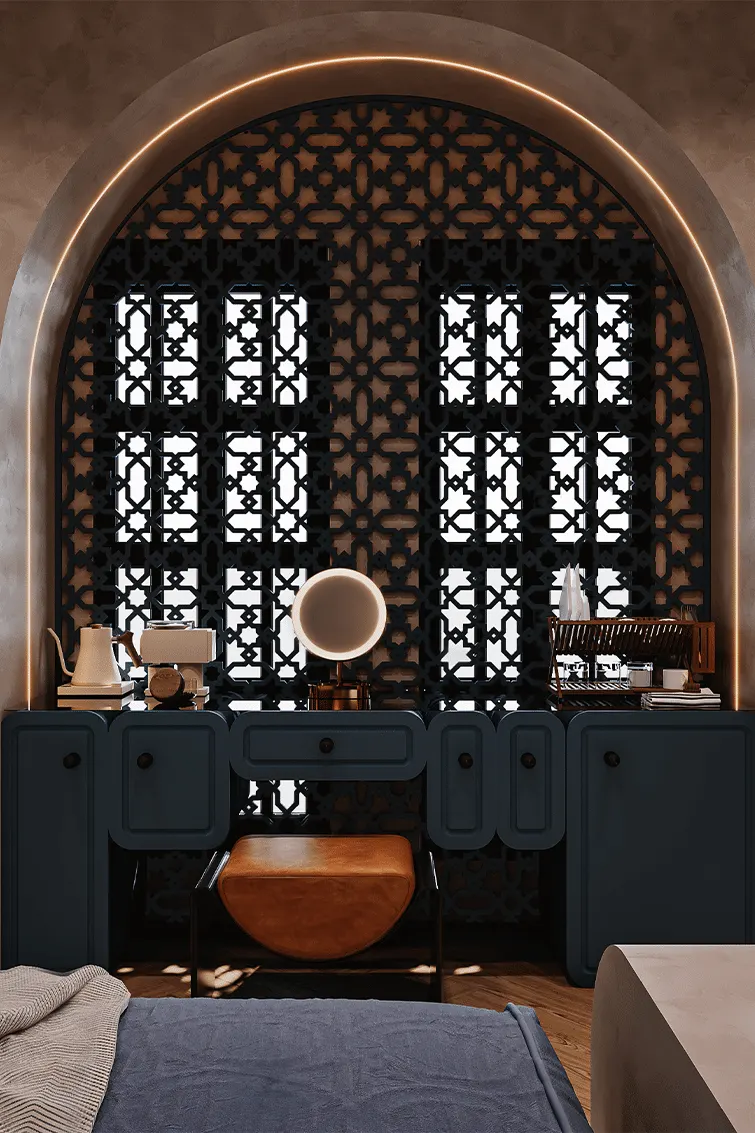
Design details in “Panj Rookh” play a crucial role in translating narrative into spatial experience. Every element—from walls to lighting—is conceived as a carrier of meaning.
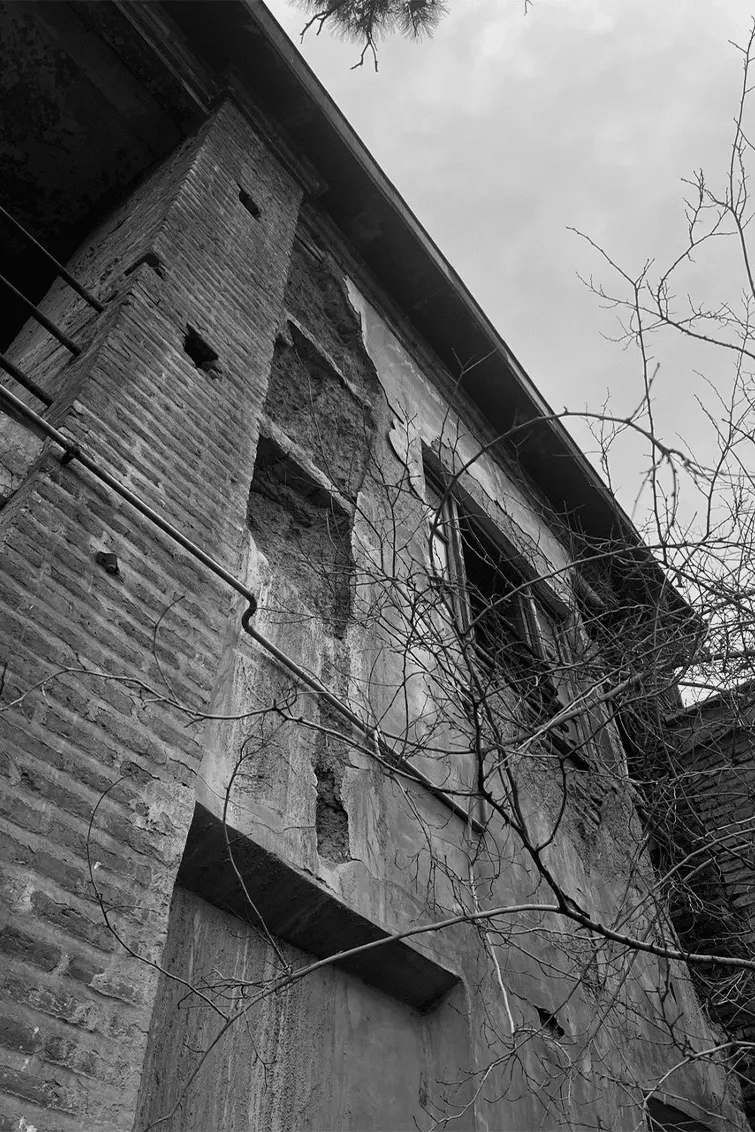
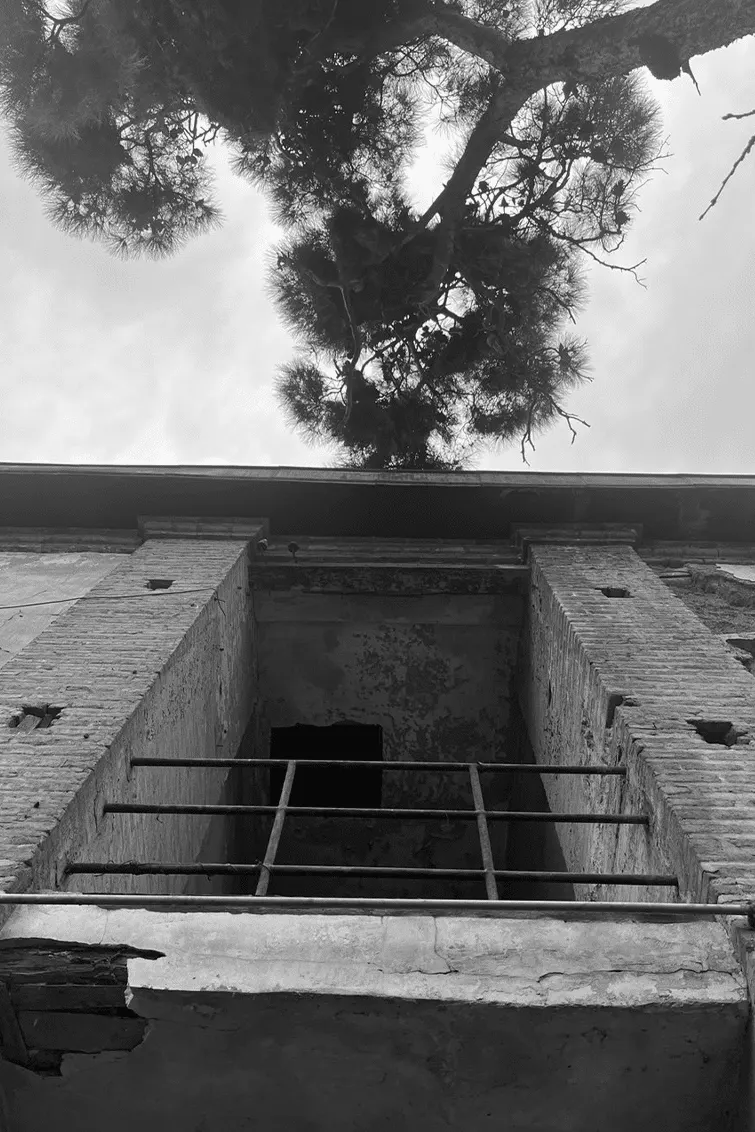
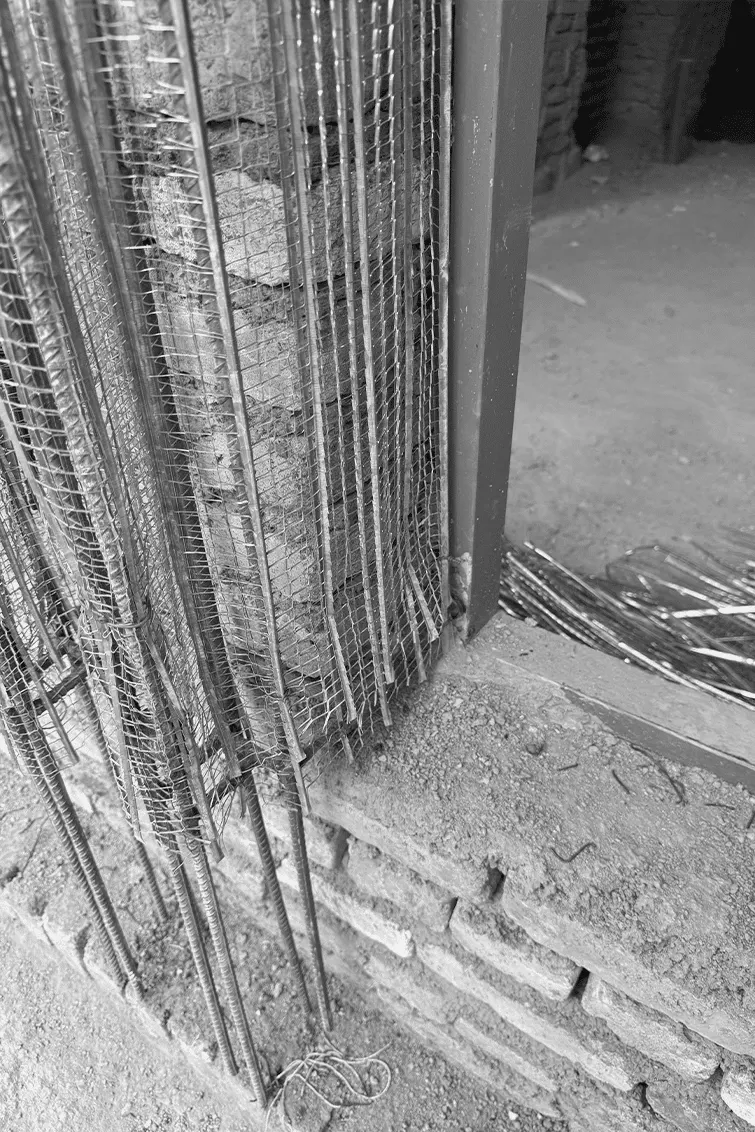
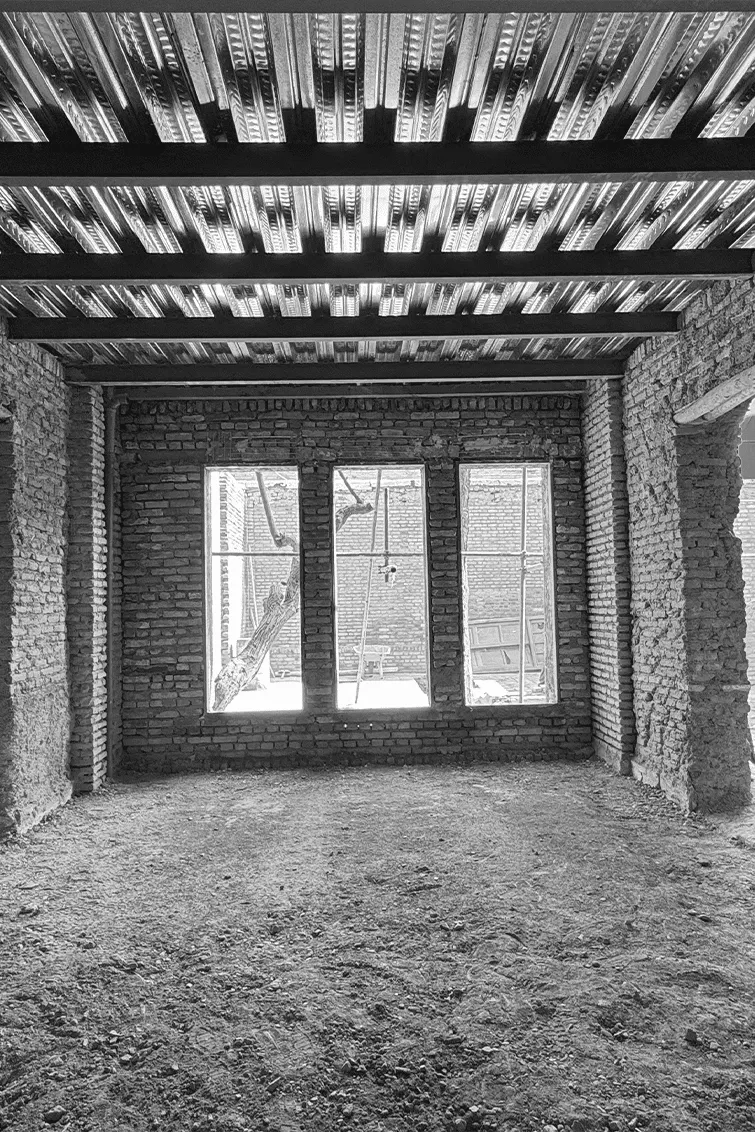
The renovation preserves the existing historical layers of the building, allowing traces of time to remain visible as part of the architectural identity. New interventions are introduced with precision and restraint, creating a controlled dialogue between the old and the new.
Materiality, light behavior, surface transitions, and junction details are carefully orchestrated to construct a seamless experiential narrative throughout the space.
Furniture Design
Furniture in this project is not merely functional; it is an extension of the narrative language of the space.
The design approach follows a principle of meaningful simplicity. Forms are minimal yet emotionally charged, subtly reflecting the identity of each room. Every furniture piece is designed in dialogue with the character of the associated woman, without resorting to literal or exaggerated symbolism.
Material selection emphasizes tactile and visual honesty. Wood, metal, and fabric are used in their purest forms, ensuring that the focus remains on spatial experience rather than decorative expression.